
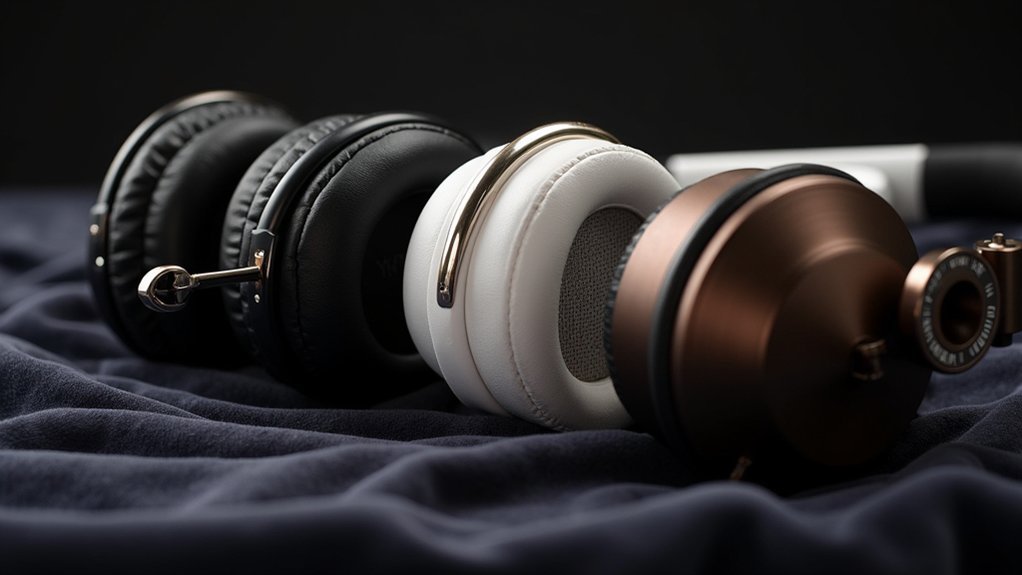
3 Best Studio Headphones for Music Production
Choosing the right studio headphones in 2025 can feel overwhelming with so many options claiming to be the best. Whether you’re mixing, mastering, or recording, you need gear that offers crisp, detailed sound and impressive comfort for those long sessions. Today’s top picks feature 50mm drivers for rich bass and clear highs, adjustable headbands, and sturdy builds that withstand daily use. But which models truly balance technical precision with wearability? Keep exploring to find the perfect match for your workflow.
OneOdio Wired Over Ear Headphones with 50mm Drivers for Studio, DJ, Recording, and Mixing

- Bass Sound: Enjoy clear sound and superior comfort with the OneOdio Studio Monitor Headphones. Equipped with large 50mm speaker drivers and neodymium magnets...
- Built for Comfort: The soft, padded ear cushions are designed to provide long-lasting comfort and effective noise isolation. The adjustable, stretchable...
- Single-side Monitoring: The 90° swiveling ear cups allow for single-ear monitoring, making it ideal for DJing or mixing. The self-adjusting and flexible...
Last update on 2026-09-04 at 01:08 / Affiliate links / Images from Amazon Product Advertising API
If you love making music or want good sound for mixing and DJing, the OneOdio Wired Over Ear Headphones are a great choice. They have big 50mm speakers that make your music sound full and clear. The bass is strong, and the highs and vocals come through crisp. This helps you hear all parts of a song clearly, which is important when you’re editing or mixing.
These headphones are comfy too. They have soft padding on the ear cushions, so you can wear them for hours without discomfort. The headband is adjustable, so you can find the perfect fit. They are built for long studio sessions or gigs, where you need to wear headphones for a while.
You can listen to just one ear at a time with these headphones because the ear cups swivel 90°. They connect easily with a 3.5mm or 6.35mm jack. The package includes adapters, so you can plug them into different devices.
These headphones are ideal for musicians, sound engineers, and DJs. They give you detailed, rich sound to help you get your mix just right. Keep in mind that they are wired, so no Bluetooth or wireless option is available. They are also a bit bulky, which might make them less easy to carry around. Plus, they don’t have noise-canceling features, but they block out some outside noise passively.
In short, if you want high-quality wired headphones that deliver good sound, are comfortable to wear, and easy to connect, the OneOdio headphones are a good pick.
MAONO Microphone with Studio Headphone Set (AU-A04H)

- Professional Sound Chipset 192kHz/24bit: This Condenser Microphone has been designed with a professional sound chipset, which lets the USB microphone hold a...
- Plug and Play: The microphone has a USB 2.0 data port which is easy to connect with your computer and Linux operation system, and no need for extra driver...
- 16mm Condenser Mic: With the 16mm electret condenser transducer, the USB microphone can give you a strong bass response. This professional condenser microphone...

Last update on 2026-07-10 at 21:36 / Affiliate links / Images from Amazon Product Advertising API
The MAONO Microphone and Studio Headphone Set (AU-A04H) is a great pick for people who make music, record videos, or stream online. It gives you clear sound for both your voice and instruments. The microphone has a professional sound chip that records at 192kHz/24bit. This means it catches every detail in what you say or play.
The microphone responds well from 30Hz to 16kHz. It gives you nice vocals and speech quality. The 16mm condenser transducer makes sounds rich and crisp. The setup is simple—just plug it into your computer’s USB port. It works on Mac, Windows, and Linux without needing extra drivers.
The headphones have 50mm drivers and noise-reduction features. They block out background noise, so you can focus on your work. They also feel comfortable, even during long studio sessions or late-night streams.
Who is this best for?
It is good for content creators, streamers, and musicians. Anyone who wants high-quality sound for recording or monitoring.
Pros:
- Captures clear, detailed sound with 192kHz/24bit quality.
- Easy to use—plug and play via USB.
- Comfortable headphones with noise reduction for long use.
Cons:
- The frequency range (30Hz-16kHz) may not cover all sounds for every professional task.
- The microphone stand and accessories might need extra space or mounting options.
- It only uses wired connection—no wireless or Bluetooth for more mobility.
This combo helps you record, listen, and create with good sound quality. It is simple, reliable, and easy to use.
OneOdio Wired Over Ear Headphones with 50mm Drivers for Studio, DJ, Recording, and Mixing
- Bass Sound: Enjoy clear sound and superior comfort with the OneOdio Studio Monitor Headphones. Equipped with large 50mm speaker drivers and neodymium magnets...
- Built for Comfort: The soft, padded ear cushions are designed to provide long-lasting comfort and effective noise isolation. The adjustable, stretchable...
- Single-side Monitoring: The 90° swiveling ear cups allow for single-ear monitoring, making it ideal for DJing or mixing. The self-adjusting and flexible...
Last update on 2026-09-04 at 01:08 / Affiliate links / Images from Amazon Product Advertising API
The OneOdio Wired Over Ear Headphones are built for serious music lovers and professionals. They have large 50mm drivers that give you clear, balanced sound. These drivers produce deep bass, clear vocals, and sharp highs. This makes them great for studio work, mixing, and mastering music.
The headphones are comfortable to wear for long hours. They have soft ear cushions and an adjustable headband. The ear cups can swivel, so you can monitor sound with one ear, which is helpful for DJs and sound engineers. You can connect these headphones to many devices using the 3.5mm or 6.35mm jacks, and they come with adapters for extra flexibility.
Whether you’re recording, DJing, or mixing, these headphones are ready to help you get the job done. They are strong, reliable, and provide high-quality sound everywhere you go.
Best For: Audiophiles, DJs, and audio pros who want comfortable, high-quality headphones for studio work or live shows.
Pros:
- Powerful, clear sound with strong bass, smooth vocals, and bright highs thanks to big 50mm drivers.
- Comfortable for long use because of soft padding and an adjustable headband.
- Flexible ear cups for monitoring one ear at a time. They connect easily to many devices with included adapters.
Cons:
- The wired design means you are limited in how far you can move.
- The big drivers make the headphones a little heavy, which might cause slight discomfort after long hours.
- You might need extra adapters if your device has a different connection type or special audio setup.
Factors to Consider When Choosing Studio Headphones for Music Production
When selecting studio headphones, it’s vital to prioritize sound accuracy and clarity so you can hear every nuance of your mix—think of it as your musical detective’s lens. Comfort matters too, especially during those marathon recording sessions, because sore ears can turn inspiration into irritation. Ultimately, check for good noise isolation, durability, and compatibility with your devices to guarantee your investment lasts through countless creative sessions—all without breaking the bank or sounding like you’re listening underwater.
Sound Accuracy and Clarity
Getting the sound right is very important when choosing studio headphones for music. You want to hear your mix the way it really is, without any added colors or bias. That’s why a flat frequency response is helpful. Good headphones have big drivers, like 50mm transducers. These drivers help you hear all the details, from deep bass to high treble, so you can fine-tune your music perfectly.
It’s also important that the headphones don’t add extra distortion. Low harmonic distortion means the sound stays clear and true. This way, you won’t hear weird noises or artifacts that could throw off your mix. Clear sound helps you spot small mistakes or subtle changes in your music. It makes mastering your track easier and more accurate.
A well-made pair of headphones balances sound so that no part of your music hides another. This gives you a natural, honest listening experience. You hear everything just as it should be. No surprises, just crisp and true sound.
Comfort for Long Sessions
Long studio sessions can feel uncomfortable if your headphones are not built for comfort. Padded ear cushions made from soft materials help protect your ears. They make hours of editing or mixing less tiring. An adjustable, self-fitting headband gives a snug fit without squeezing. This keeps you comfortable even after many hours of use. Over-ear headphones are a good choice. They block out noise better and put less pressure on your ears than on-ear or in-ear types. This helps you focus more and feels more relaxed. Light headphones are easier on your neck and head. They let you work longer without feeling heavy or tired. An ergonomic design that evenly distributes weight cuts down on discomfort. This is especially helpful during long sessions when time flies but discomfort shouldn’t happen.
Compatibility With Devices
Ever wonder if your studio headphones will work with all your gear? It’s important to check compatibility. First, look at the jack type. Is it a 3.5mm, 6.35mm, or do you need an adapter? Make sure it fits your audio interface, mixer, or phone. Some headphones connect through USB or regular audio jacks. These are easy to use with your computer, smartphone, or studio gear.
Next, check if the headphones match your device’s operating system. Are they compatible with Windows, Mac, or Linux? This can prevent driver issues. If you often switch between devices or want to share audio, look for headphones with extra ports or the ability to connect multiple devices at once.
You should also think about impedance and power. Low-impedance headphones are easy to drive and don’t need much power. They work well with portable gear and won’t distort easily. High-impedance headphones need more power but can give cleaner, clearer sound when used with the right equipment.
When you pick headphones, make sure they fit your needs and gear. Check these details so your headphones will work smoothly and sound great.
Noise Isolation Effectiveness
When you choose studio headphones, it’s important to think about how well they block outside noise. Good noise isolation helps you hear your music or sounds clearly. It also keeps loud sounds from bothering you.
Most closed-back headphones block noise better than open-back ones. This makes them good for recording or working in noisy places. The ear pads are also important. Thick, soft cushions fit around your ears and stop sounds from sneaking in.
Noise isolation can be passive or active. Passive noise isolation uses the headphone’s design and materials to block sound naturally. Active noise canceling uses electronics to make outside noise quieter. Most studio headphones use passive isolation, but active canceling can help in loud places.
Another thing to think about is sound leakage. Good noise isolation prevents sound from escaping and disturbing others. This is useful when you share your space or need privacy.
In short, pick headphones with solid noise blocking features. They help you focus and give you better sound quality. Whether passive or active, good noise isolation makes your work better and more enjoyable.
Durability and Build
When choosing studio headphones, you want them to last a long time. Look for headphones made from strong plastic or metal. These materials stand up better to daily use and accidental drops. Check the headband and ear cups. They should be made with reinforced parts or flexible materials. This helps prevent cracks after long use. The cushions on the ear cups should be soft and durable. Memory foam or good leather can stay comfy and in good shape for a long time. Make sure the cable connection is secure. Good strain relief can stop the cable from breaking easily. If the headphones can fold, they are easier to carry and stay safe when you pack them. A strong, well-built pair of headphones gives you fewer problems and more trust. They will stay strong and help you make great music for a long time.
Price and Value
Choosing the right studio headphones is mostly about balance. High-quality, expensive headphones often sound better, last longer, and feel more comfortable for long use. But think about if those extra features are worth the price for your needs. Cheaper headphones are good for beginners or casual music makers. They can sound decent and save you money. Just know that they might not have fancy features like very clear sound or good noise blocking.
Look at what accessories come with the headphones. Things like extra ear cushions or adapters can make using them easier and save you money later. A good middle-priced pair, with good reviews, usually gives you solid sound and comfort without costing too much. Also, check if the headphones have a good warranty. This can help you get a longer-lasting pair and save money over time.
In short, pick headphones that match your budget and needs. Balance quality, features, and price so you get the best value for your money.
FAQs
How Do Open-Back and Closed-Back Headphones Differ for Music Production?
Open-back headphones let in ambient sounds, offering a natural, spacious sound ideal for mixing, while closed-back headphones isolate noise, providing better bass and focus, perfect for tracking and detailed editing in music production.
What’s the Typical Lifespan of High-Quality Studio Headphones?
High-quality studio headphones typically last around 2 to 5 years with proper care. Your usage, maintenance, and handling considerably influence their lifespan, so regular cleaning and careful storage can extend their durability and maintain sound quality.
Are Wireless Studio Headphones Suitable for Professional Use?
Wireless studio headphones can be suitable for professional use if they offer low latency, reliable sound quality, and a comfortable fit. You need to make certain they meet your specific needs for accuracy and dependability during critical listening sessions.
How Important Is Sound Isolation in Studio Headphones?
Sound isolation is essential because it blocks external noise, allowing you to focus on your mix without disruptions. It guarantees accurate audio perception, helping you make precise adjustments and achieve professional-quality sound in your music production.
Can I Use Gaming Headphones for Music Production?
You can use gaming headphones for music production, but they might lack accurate sound detail and flat frequency response needed for mixing. Investing in studio-specific headphones guarantees you hear every nuance for professional, precise music work.


