3 Best Water Leak Sensors With Shut-Off Valves
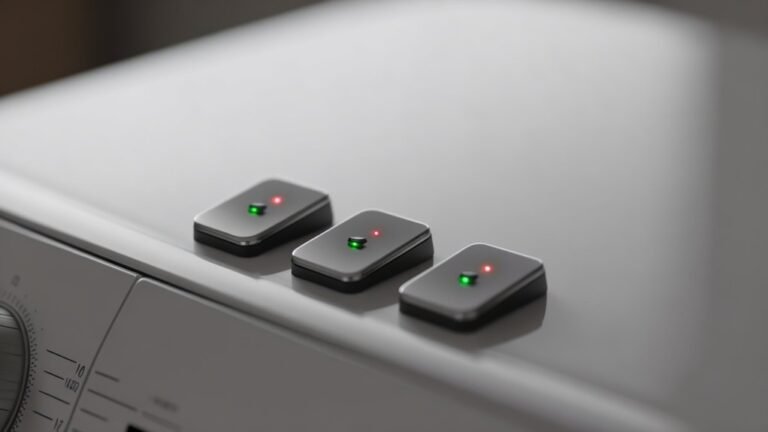
In 2025, protecting your home from water damage has become smarter and more reliable thanks to advanced leak sensors with shut-off valves. These devices can detect leaks early, automatically turning off the water supply before costly damage occurs—think of them as your home’s silent guardians. From DIY kits with WiFi connectivity to all-in-one systems integrated with smart home platforms, there’s a range of options to suit different needs and budgets. Curious about the top contenders?
DIY Water Leak Detection & Shutoff Kit with WiFi Sensors & Backup

- Smart Water Leak Sensor & Automatic Shutoff Protection: Custos/Firebot LoRa UBILINK kit is a powerful smart water leak sensor system designed to help stop water...
- Engineered for Harsh Outdoor Conditions: Built with UV-resistant and thermo-protected components, this LoRa UBILINK water valve delivers reliable performance...
- Easy DIY Installation – No Tools Required: Our smart water shut off valve installs in minutes with no tools. Designed for ball-valve plumbing from ½” to...
If you want a simple way to stop water leaks and avoid water damage, the DIY Water Leak Detection & Shutoff Kit is a good choice. It is easy to install and works with WiFi sensors and a backup power system. The kit includes three lithium-ion sensors that can find leaks, cold temperatures, and check system status. It also has a WiFi-controlled shutoff valve that keeps working even if the power goes out. You don’t need tools to set it up. It is made to fit standard ball valves from ½” to 1.25”. The long-range LoRa hub connects through walls and outside barriers. This makes sure you get reliable alerts and water shutoff, no matter where you are or if there is a power outage.
Best for: Homeowners and DIY fans who want an easy, trusted water leak system you can control remotely and use outdoors.
Pros:
- Simple to install, no tools needed
- Long-range LoRa hub reaches through walls and outside areas
- Components are tough and can hold up in the sun and rain
Cons:
- Setting up the app and connecting may be hard for some
- You need compatible valves from ½” to 1.25”, which may need extra parts
- It comes with three sensors, so larger homes might need more units
This kit is easy to use, effective, and perfect for those who want to protect their home from leaks with a device they can control from anywhere.
Smart Home Water Leak Detector and Shut-Off Valve

- AUTOMATIC SHUT OFF - When abnormal levels of moisture or water are detected, aquaHALT automatically shuts down the water flow and sends you an alert.
- EASY SET UP - Manual guides on how to install aquaHALT with (included) 3M NON-INVASIVE double-sided tape.
- LOW MAINTENANCE - No need to rely on Wifi - aquaHALT is always on duty with a hardwired sensor and 2 AA batteries that will last you over a YEAR.
The Smart Home Water Leak Detector and Shut-Off Valve is a helpful device for homeowners who want to stop water leaks quickly. It finds leaks or excess moisture on its own. When it detects a problem, it turns off your water supply right away. This stops floods and water damage before they start. There’s no need to run and find the main water valve.
It’s easy to set up. The instructions are clear, and it comes with 3M double-sided tape. You don’t need to do any wiring or drilling. The device runs on two AA batteries. The batteries last more than a year and do not need WiFi to work. It keeps watch over your home’s water system all the time with little maintenance.
Best For: homeowners who want a simple, reliable leak detector that’s easy to install. It helps save money and gives peace of mind.
Pros:
- Easy to set up with no wiring or plumbing needed
- Runs on batteries that last over a year
- Automatically stops water to prevent flooding
Cons:
- Needs new batteries after about a year
- Check if your insurance offers discounts for this device
- Might not work with all smart home systems depending on the brand
This device is a smart choice for anyone who wants to protect their home from water leaks without much hassle. It is simple, effective, and helps prevent big water problems.
iSpring LS43 Water Leak Detector Alarm System with Shut-Off Valve and Sensors

- [Leak Detection Design] iSpring water leak detection system is designed and to be installed on whole house water pipe to detect and set alarm for possible leak
- [Automatic Working] The water leak detection will shut off water supply automatically to prevent flooding when it detects a possible leak. It includes a 3/4"...
- [8 Water Sensors] The controller unit is able to connect up to 8 water detection sensors and 2 sensors are included
The iSpring LS43 Water Leak Detector Alarm System is a good choice if you want to protect your home from water leaks. It combines leak detection with an automatic water shut-off. This helps prevent flooding and water damage.
The system has an automatic shut-off valve. It comes with two sensors to get started. You can add up to eight sensors to cover more areas in your home. When a leak is found, the system sounds an alarm. It also quickly shuts off the water flow through a 3/4 NPT ball valve. This helps stop serious damage before it happens.
The setup is simple. You can install the system easily on your whole-house piping. It is designed to be straightforward to use. The system comes with a one-year warranty and lifetime support, which means you can trust it to work well.
Best For: Homeowners who want a full water leak protection system that shuts off water automatically to prevent flooding.
Pros:
- The automatic shut-off stops water fast when there is a leak.
- Supports up to 8 sensors for quick detection in multiple places.
- Easy to install and operate, even for whole-house systems.
Cons:
- Starts with only 2 sensors, so you may want to add more for full coverage.
- Sensors need to be placed carefully; misplaced sensors can miss leaks.
- It only has a one-year warranty, so extra coverage may be needed for long-term protection.
Factors to Consider When Choosing a Water Leak Sensor With Shut-off Valve
When choosing a water leak sensor with a shut-off valve, you’ll want to guarantee it’s compatible with your plumbing setup, so it can seamlessly connect without a plumbing emergency. Pay attention to the detection range and sensitivity—more isn’t always better, but missing a leak is a costly mistake. finally, think about power sources, ease of installation, and whether it plays nicely with your smart home system—because who doesn’t want a leak detector that’s as smart as they are?
Compatibility With Plumbing
Making sure a water leak sensor with a shut-off valve works well with your plumbing is important. It might not sound exciting, but it helps keep your home dry. First, check if the sensor fits your pipes. Most home pipes are between ½ inch and 1.25 inches wide. Make sure it matches your pipe size to stop leaks early.
Next, see if the sensor works with the type of pipes you have. Some sensors work better with plastic pipes like PEX or PVC. Others fit metal pipes like copper or steel. Choose one that matches your pipes for an easier install.
The shut-off valve should connect easily to standard fittings or ball valves. This keeps installation simple and saves money. Finally, think about your water pressure. Your system should handle the flow of water in your home.
Getting these things right makes sure your leak detector works smoothly. It keeps your home safe, dry, and saves you from big plumbing problems later.
Detection Range & Sensitivity
Your choice of a water leak sensor that has a shut-off valve depends on how well it can detect leaks. Sensors have different detection ranges. Some can sense leaks just a few centimeters away, while others can cover several meters. If you have a big area where leaks happen, pick a sensor with a larger range.
Sensitivity is also important. It tells you how small a leak the sensor can find. Some sensors detect tiny drips, while others only notice big puddles. Many sensors let you adjust sensitivity. This helps prevent false alarms from humidity or small spills by setting the right level.
Some sensors use different technologies, like conductive or capacitive methods, which affect how they detect leaks. Ultrasonic sensors can find leaks from farther away.
Choosing the right sensor means you get early alerts without false alarms. This keeps your home safe and stops small leaks from turning into big problems.
Power Source & Backup
A good power source is key for a water leak detector with a shut-off valve. Without power, even the smartest sensor won’t work. It’s best to use reliable batteries or connect to a steady power outlet. Having backup options like strong battery packs can keep the system running for at least 20 hours if the power goes out. Pick devices with rechargeable or easy-to-replace batteries. This makes it simple to keep your system working without too much hassle. Also, see if the sensor and valve can run without WiFi. This way, if your internet drops, your system still works. Low power use helps the batteries last longer, so you don’t need to change or recharge them often. With these steps, your leak detection system stays active no matter what happens, giving you peace of mind.
Installation Ease & Methods
Installing a leak sensor with a shut-off valve doesn’t have to be hard. Look for models made for DIY setup. These come with easy mounting options like adhesive pads or clips that don’t need screws. This way, you don’t need special tools or to call a plumber.
Wireless connections like WiFi or LoRa make setup simple. You just connect the sensor, place it where you want, and it’s ready. No tricky wiring needed.
Make sure the sensor works with your pipes. Adjustable clamps or non-invasive mounts help you attach it without cutting into your plumbing.
Find models that include step-by-step guides or videos. They make the process quick and easy, even if you aren’t a handyman.
Choose a sensor you can put almost anywhere. Flexible placement helps you protect the places that matter most. This makes your home safer without extra hassle.
Smart Home Integration
When adding a water leak sensor to your home, make sure it works well with your existing devices. It should connect easily with platforms like Alexa, Google Home, or Apple HomeKit. If it doesn’t, you might end up using many apps, which can get confusing. Look for sensors and valves that support WiFi, Zigbee, or LoRa. These make sure everything talks to each other smoothly.
Check if the system has an app or a smart hub that allows you to see and control things from anywhere. This way, you won’t be surprised by leaks at night. Connecting your leak sensors to your thermostat or security system adds extra safety. It makes your home smarter, kind of like giving it a brain.
Don’t forget about automation. You can set your system to shut off the water automatically when there’s a leak. This simple step keeps your home safe and saves you worries. Overall, pick devices that work well together and make your life easier.
FAQs
How Long Do Water Leak Sensors Typically Last?
Water leak sensors typically last around 3 to 5 years, depending on the brand and usage. You should check the manufacturer’s guidelines and replace batteries or units as needed to guarantee continuous protection for your home.
Are Waterproof Sensors Suitable for Outdoor Installation?
Yes, waterproof sensors are suitable for outdoor installation because they resist moisture and harsh weather conditions. You should still check the manufacturer’s specifications to guarantee the sensor’s durability and proper operation in outdoor environments.
Can Leak Detectors Be Integrated With Existing Home Security Systems?
Yes, you can integrate leak detectors with your existing home security systems. Many detectors are compatible with popular platforms, allowing you to monitor and receive alerts seamlessly, enhancing your home’s overall safety and water leak response capabilities effectively.
What’s the Average Cost of a Professional Installation?
You’ll typically spend between $100 and $300 for professional installation of a water leak sensor with a shut-off valve. The cost varies based on home size, complexity, and local rates, so get a detailed quote beforehand.
Do Sensors Require Regular Maintenance or Calibration?
Sensors typically don’t need regular maintenance or calibration, but you should check them periodically to guarantee they’re working properly. Keep them clean, replace batteries as needed, and test the system regularly to maintain ideal performance and protection.
Last update on 2026-02-07 / Affiliate links / Images from Amazon Product Advertising API